In a recent episode, MaKenzie Wangsness sits down with Annell Velasco Nelson, an attorney and lead parent organizer for Childcare for All MN, to shine a light on the crucial topic of childcare as we approach the November 3rd midterm elections. This mini episode focuses on raising awareness about how voting can influence childcare policies in Minnesota.
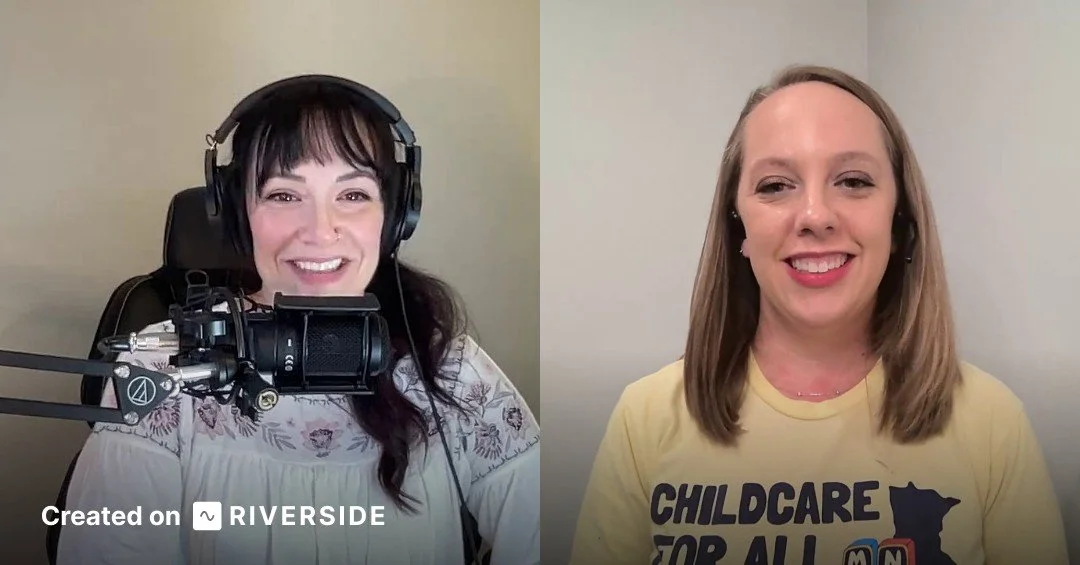
In this short pre-election mini episode, MaK talks with Annell Velasco Nelson, an attorney and lead parent organizer for the South Metro with Childcare for All MN. They cover why child care is an economic and workforce issue, why it takes a statewide solution, and what voters can listen for from candidates before Election Day on Nov 3.
This conversation focuses on the pressing issue of childcare in Minnesota, highlighting the challenges families face in accessing affordable childcare, the experiences of providers, and the need for systemic change at the state level. Annell Velasco Nelson shares insights from her work with Childcare for All Minnesota, emphasizing the importance of legislative action to create a sustainable and equitable childcare system that meets the needs of all families.
Takeaways: Childcare for All Minnesota aims for low or no-cost childcare. Families experience high costs and long waitlists for childcare. Providers struggle with low wages and high turnover rates. Minnesota has some of the highest childcare costs in the nation. Many families earn too much for assistance but not enough to afford care. Childcare is essential for workforce participation and economic stability. State-level solutions are necessary for systemic change. Legislative action is needed to improve childcare access and affordability. Community involvement is crucial for advocating childcare solutions. Families need viable childcare options regardless of their situation.
In this episode
01:44 Welcome and what Childcare for All MN is
02:55 Annell’s own child care story, from corporate centers to a six-week nanny
04:20 Why “child care for all” doesn’t mean every child in care
05:19 What families and providers are saying
06:20 Costs, closures, and rural impact
07:35 The 2023 investment and the gap families still fall through
10:23 The grandparent squeeze
11:16 Why the solution has to happen at the state level
13:11 Why the 2027 budget makes this election matter
14:09 Where there’s common ground across parties
15:24 What to listen for when candidates talk about child care
16:20 How to check your registration and vote early
17:02 How parents, providers, and employers can get involved
17:33 Annell’s one takeaway
Key points:
Center-based infant care averages about $22,500 a year, the third highest in the nation.
More than one in four Minnesotans live in an area with limited or no child care access.
Early educator turnover is estimated at about 30% a year.
Many families earn too much for assistance but not enough to afford care.
Voters should listen for specifics: lower out-of-pocket costs, more supply (especially in rural areas), better educator pay without higher tuition, and how it will be paid for.
Resources:
Childcare for All MN, to sign the petition, join your local team, and find events (in person and virtual): https://www.childcareforallmn.com
Minnesota voter info, to check your registration, find early voting and polling locations, and see ID rules: https://mnvotes.sos.mn.gov and https://www.sos.mn.gov/elections-voting/
No Country for Mothers, a Moms First documentary: https://momsfirst.us/doc/
AAUW, The Motherhood Penalty: https://www.aauw.org/issues/economic-security/motherhood/
Music licensed through Soundstripe.
Code: UEBYCCFVDXURSJXR